When excavating below ground level on a project for earthworks, basement works or shaft/tunnel works, it is likely that you will encounter water.
13th February 2026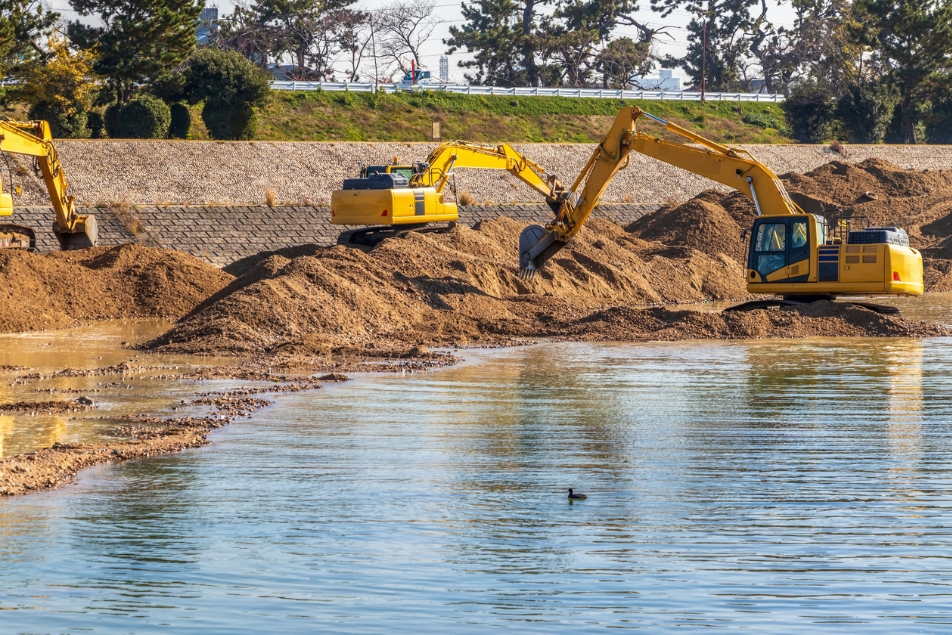
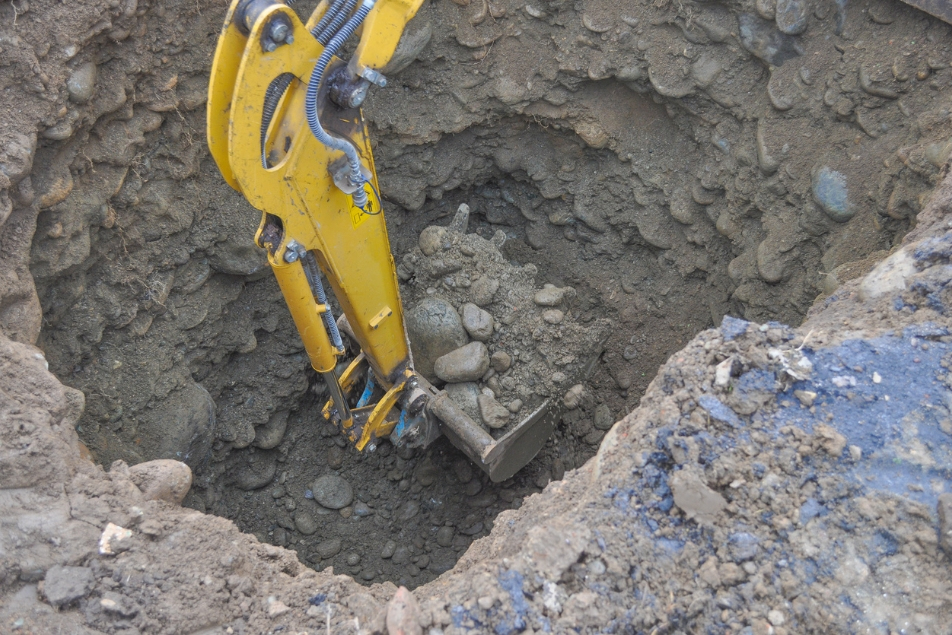
Most water encountered during excavation or standing water on a construction site is likely to be sediment/silt laden which means it is contaminated.
Don’t forget – a full water treatment solution may not be necessary, depending on the work being carried out.
If water is likely to be contaminated or you are discharging to a water course or sewage treatment, you probably need a water treatment solution. If you are pumping uncontaminated water run off to other areas of site, pumping and pipework solutions may be more suitable.
Speak with one of our water experts who can help advise which solution may work best for you >
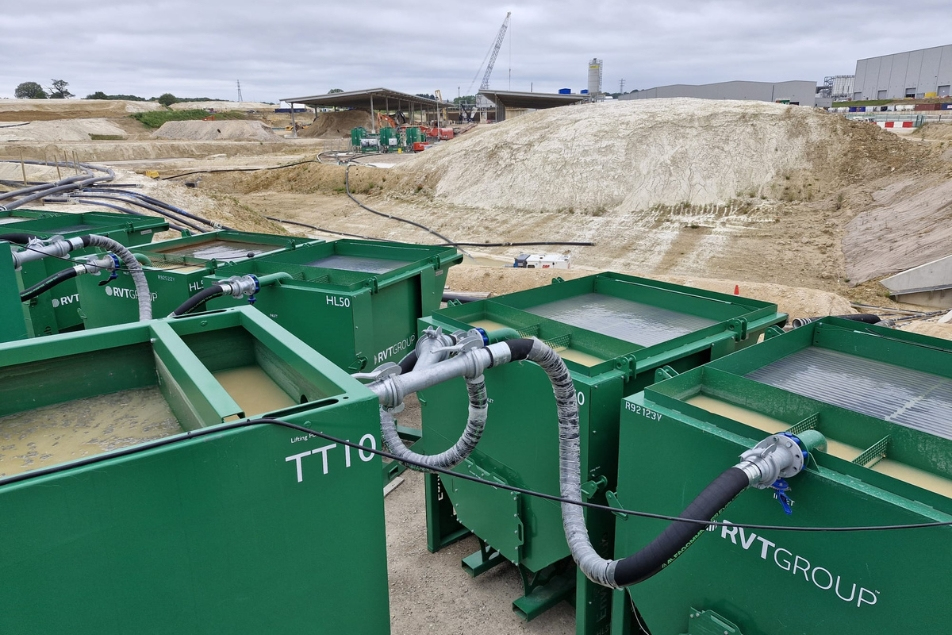
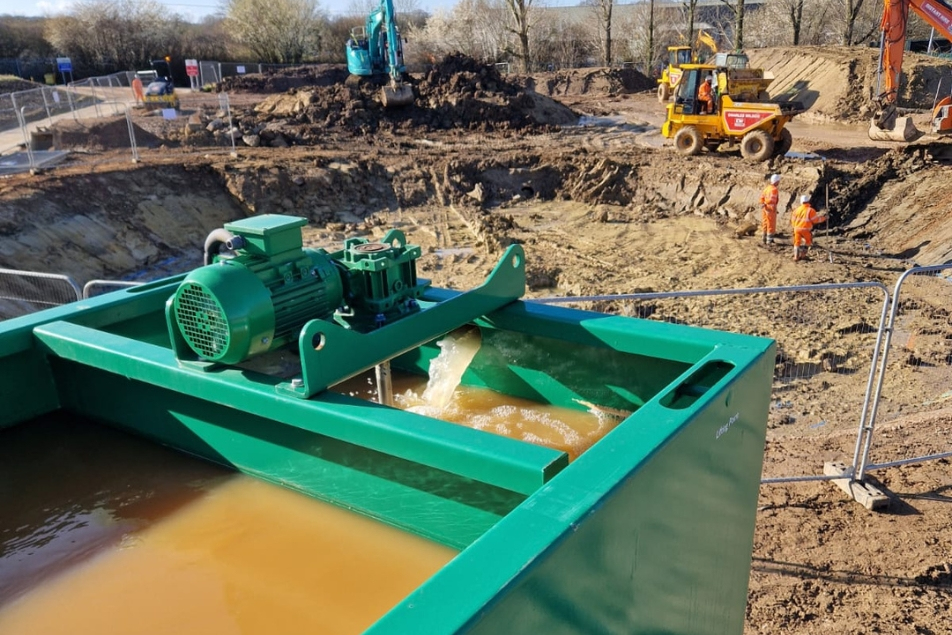
A popular approach to excavation dewatering is to use a temporary water treatment system that filters out the sediment and treats the contaminated water, cleaning it to regulator-approved standards before it is discharged to surface water in-line with the obtained discharge permit.
RVT Group’s temporary water treatment systems are modular by design so parts of the system can be implemented when a complete solution is not required.
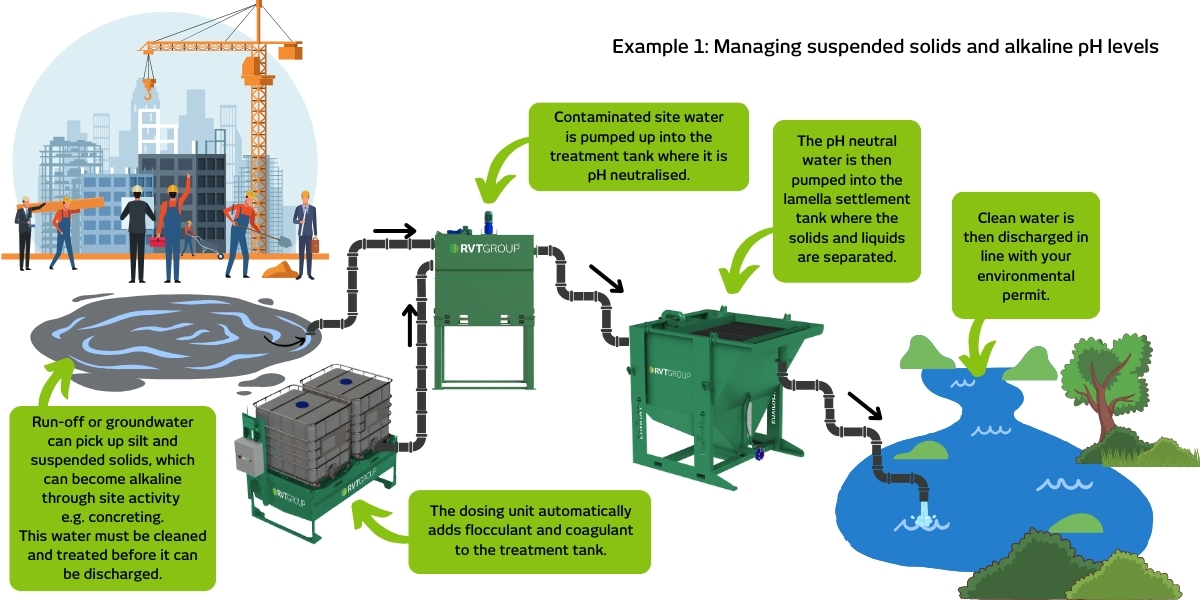
Step 1.
Contaminated water is pumped from the excavation site into a treatment tank.
Step 2.
Probes from the treatment tank informs the dosing unit of current measurements. The dosing unit automatically adds chemicals such as flocculant and coagulant to the treatment tank.
Step 3.
Agitators in the treatment tank mix the chemicals into the water. The chemicals attach themselves to the water molecules ready for silt separation and making the water pH neutral.
Step 4.
The pH neutral water moves from the treatment tank to the lamella settlement tank where solids and liquids are separated. He remaining clean water flows out of the tank.
Step 5.
Clean water is discharged in line with your environmental permit.
View Our Water Treatment Systems and Monitors >
Excavation projects can have significant environmental implications if water is contaminated and left untreated. Disrupting the groundwater flow or introducing pollutants into a water table or local environment can affect surrounding ecosystems.
Because of this, you have legal requirements when discharging and disposing of contaminated water from a construction site. Before you start work, you will need a plan to identify how you will treat and dispose of water that enters any excavation. This includes obtaining the appropriate permit or license and, in all cases, you should contact your local environment agency for up to date and correct advice before excavation work begins.
Having the best dewatering solution in place for excavation works can be a minefield. From having the right permit through to having the most effective solution in place, there are a lot of moving parts. Reaching out to specialists and starting the planning process early is the best way to increase the chance of your excavation’s success.
RVT Group have a team of water-specific consultants to help you navigate through even the most complex dewatering projects. Speak to one of our specialists today >
Read our Best Practice Article for Compliant Eater Management on Site >
Read our Best Practice Article for Tips and Tricks to Help Manage Water on Site >
Read our Best Practice Article for Measuring Site Water Discharge >
Do you have a challenge on site? Enter your details below to get expert advice from a hazard control specialist.
We process your information in accordance with our Privacy Policy and Terms of Service.
A member of our expert team will contact you shortly to discuss your product requirements and solutions.


